UK: 0800 999 4485 Toll Free SA: +27 (0)76 932 5996
USA: +1 310 480 5823
FR: +33 (0) 63 235 5296

TRAVEL EXCLUSIVELY AFRICAN
World leading African Safari Specialists. South African Holidays Experts
We bring 80 years of combined experience to provide exceptional service to our clients.
Ensuring our dedicated personal service is always at your disposal.
Our itinerary planning services are provided to our clients at no cost.
Proudly showcasing 5-star customer feedback...
Discover Africa
NOW IS THE TIME TO BOOK FOR 2024/2025!
Holidays to South Africa are true bucket list experiences. From Cape Town to Victoria Falls, to fantastic safaris or wonderful train adventures, we can plan it all to suit your budget, taste and interests
For unforgettable honeymoons, stunning beach and island holidays, self-drive trips to the Cape winelands & Garden Route and truly exciting safaris, contact us today.
We are highly experienced travel planners, and our team of expert consultants can offer you unique experiences, hand-picked hotels and lodges across this beautiful continent of Africa and the Indian Ocean islands of Mauritius & Seychelles.
Let Us Plan Your Dream Vacation
-
![]()
South Africa
ButtonA South African holiday experience will stay with you forever. Let us help you explore this beautiful country.
-
![]()
Safari
ButtonAfrica is blessed with the most abundant and diverse wildlife. We can help you plan your perfect safari.
-
![]()
Destinations
ButtonAll featured destinations in Africa offer our clients a wide choice of experiences, from safari to cities to nature to beaches. We can curate a trip of a lifetime uniquely for you.
-
![]()
Family Trips
ButtonWith so much to do and see, there is something to please every family dynamic. We can offer lots of info on things to do with the kids as well as super holiday ideas.
-
![]()
Mauritius
ButtonMauritius will enchant you. Let yourself unwind and relax by the tranquil clear sea and explore the island in your own time. We offer many hotel and resorts on this paradise island.
-
![]()
Rail Journeys
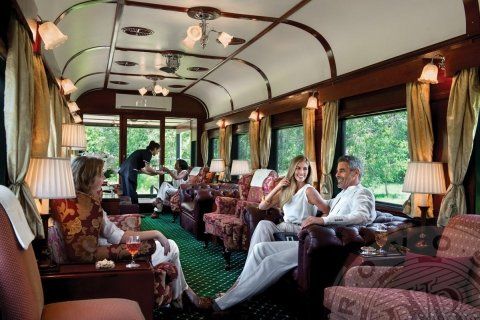
ButtonRail and Adventure journeys are something we feel passionate about. If you want to experience the feeling of a bygone age, then luxury train travel could be your holiday dream.
-
![]()
Golfing Holidays
ButtonWe are specialists in preparing Golfing trips for you. There are many excellent courses in Southern Africa, all of which we can advise on from a first-hand experience, from one of our golfing experts.
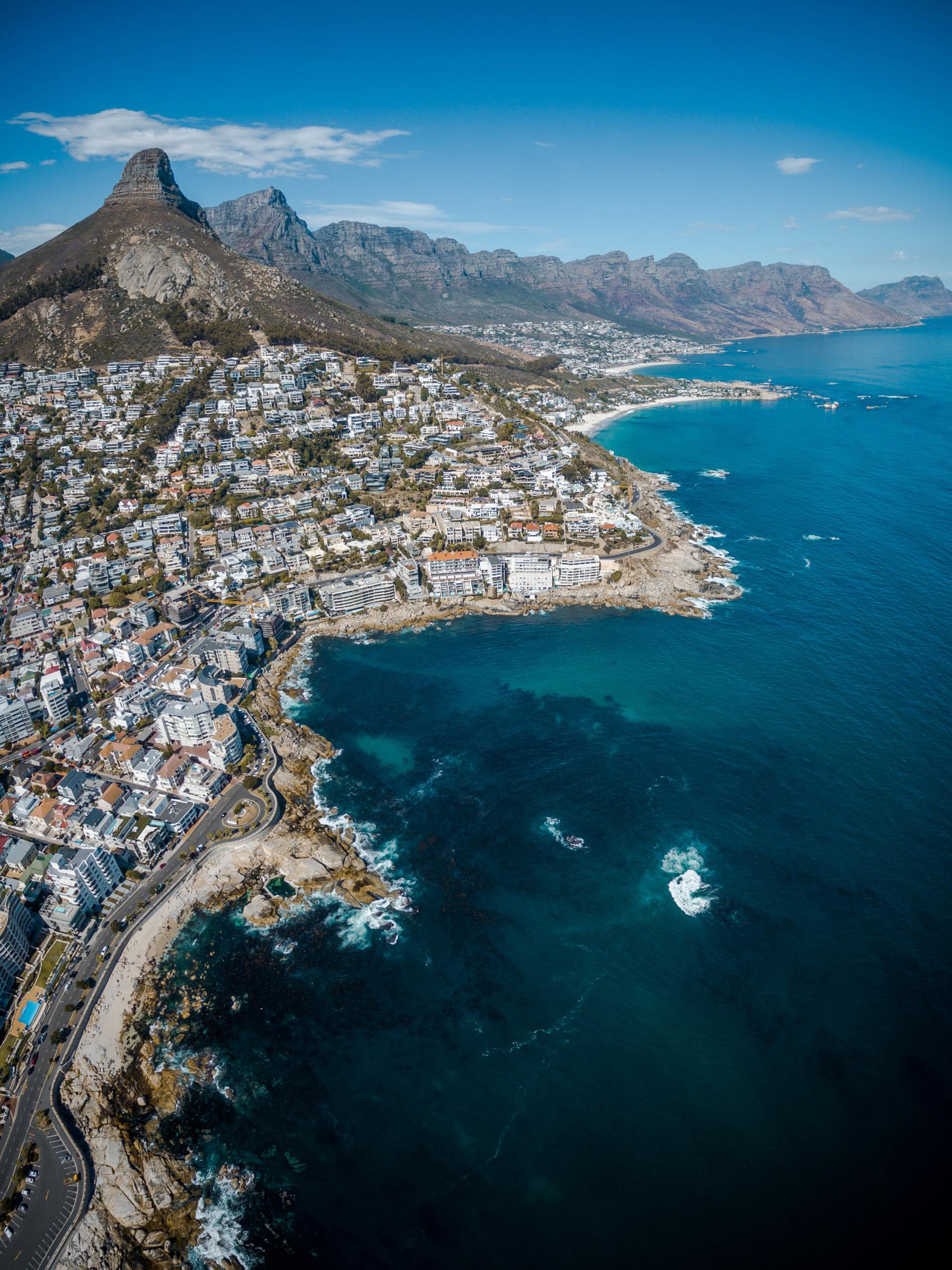

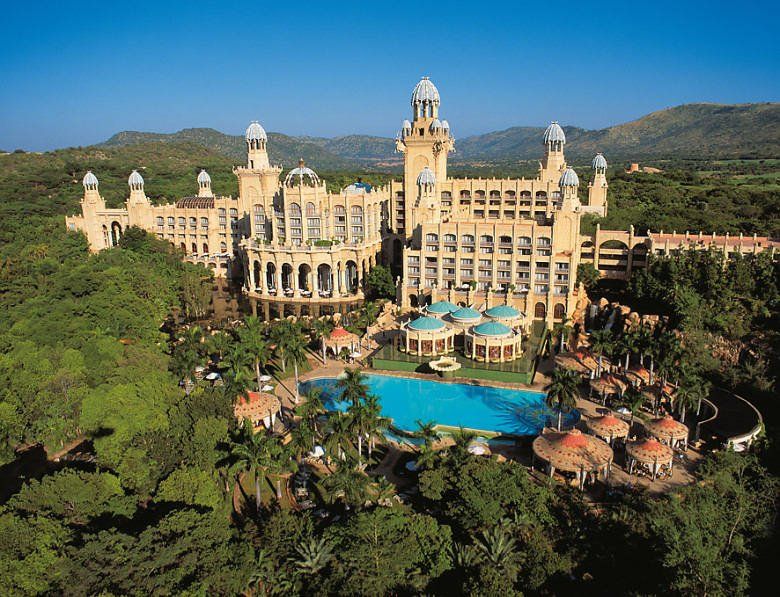
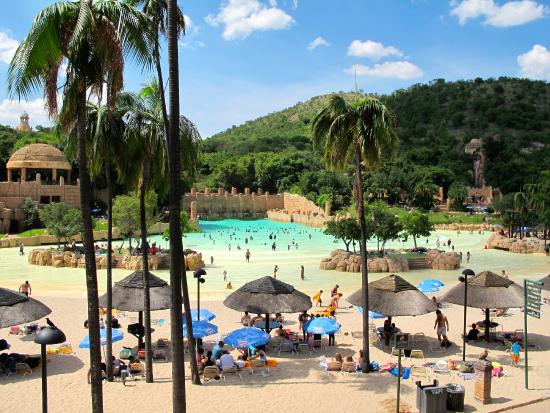
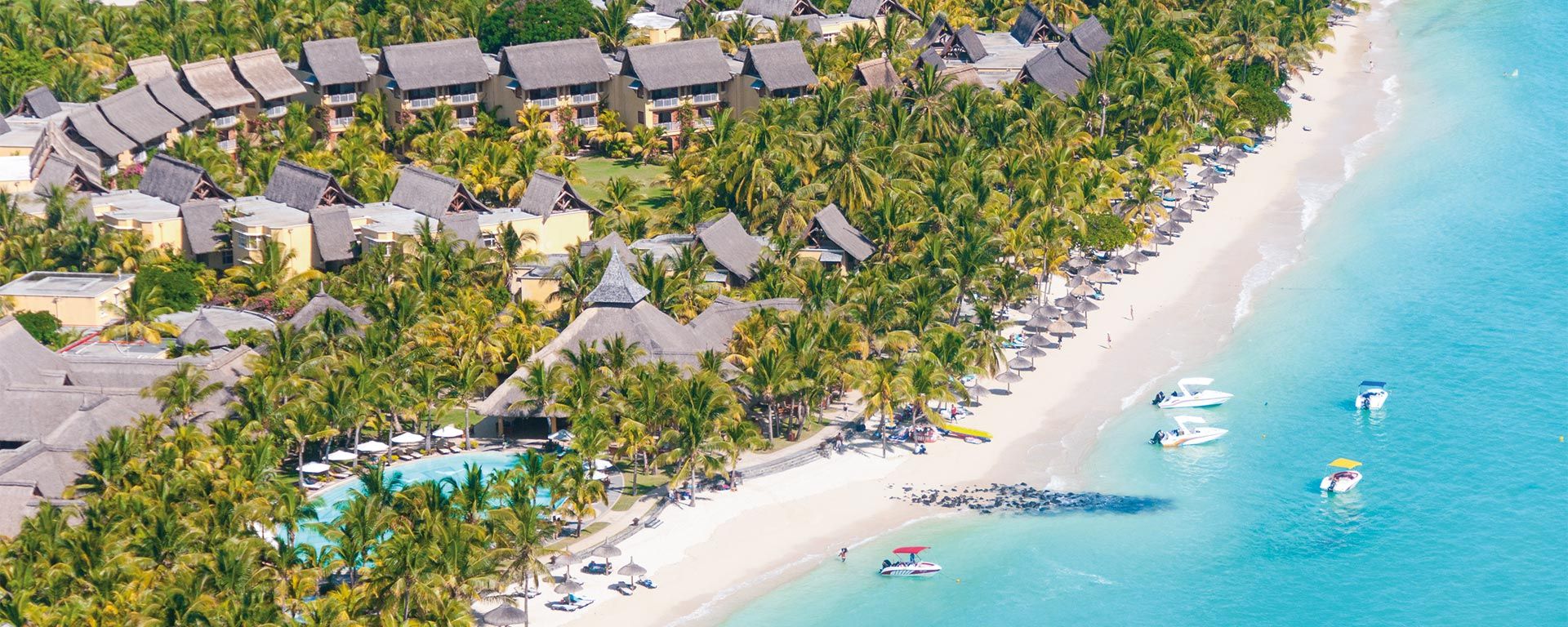

Honeymoon
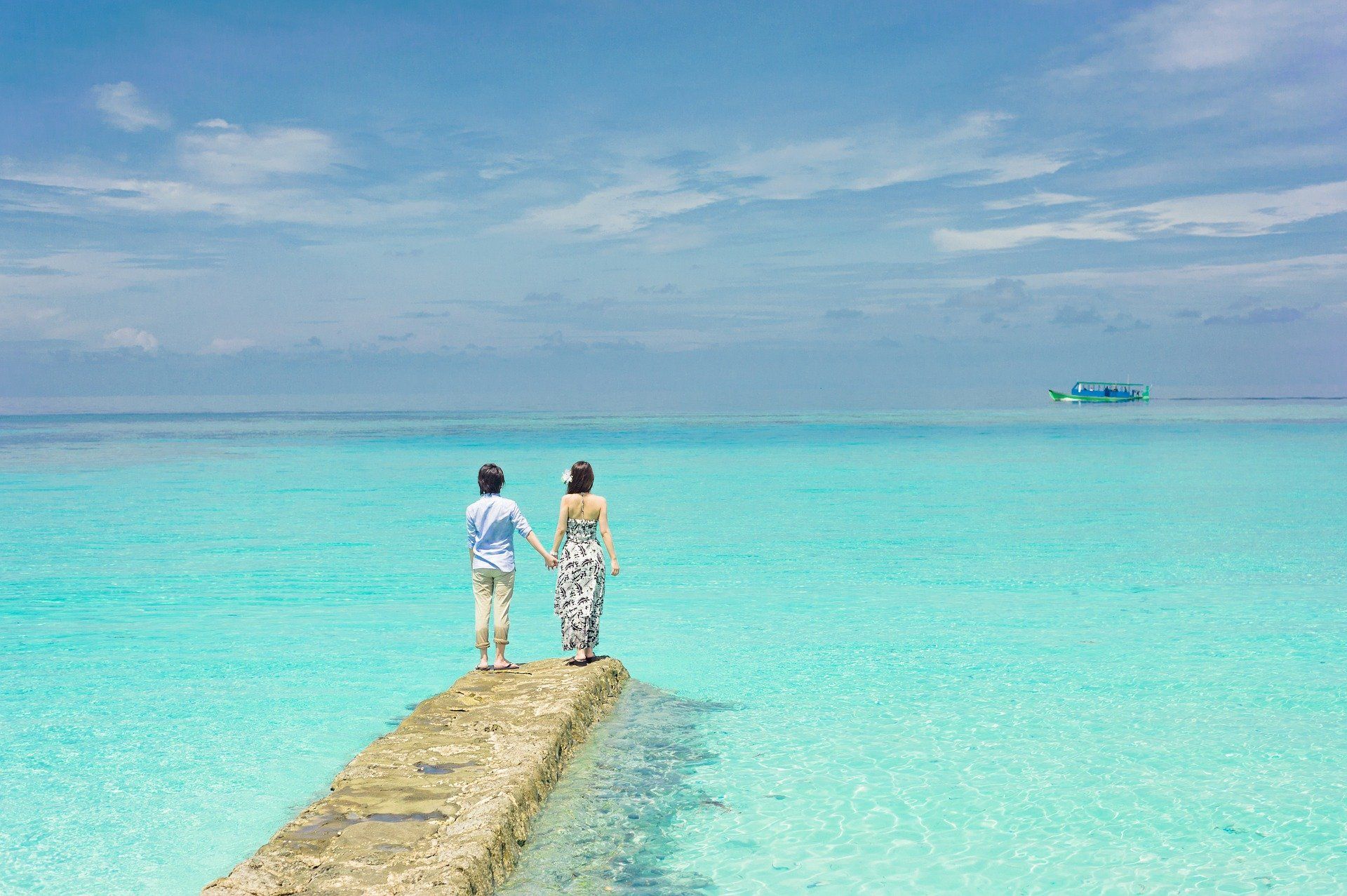
Africa and the Indian Ocean islands offer great opportunities for romantic safari and beach honeymoons. Our experts are on hand to help you make the best choice.
Seasonal Specials
-
![]()
14 night South Africa Special 2024
Read MoreThis 14 night special is an excellent introduction to some of the most beautiful parts of South Africa including not only Cape Town and Safari but also the amazing Garden Route along the eastern seaboard.
-
![]()
Chitwa Chitwa 4 night
Read MoreChitwa Chitwa is to be found in the northern section of the Sabi Sands area of the Kruger. This area ia renown for its diverse and plentiful wildlife and home to a number of Leopards, Cheetahs and prides of Lions.
-
![]()
Cape Town Special
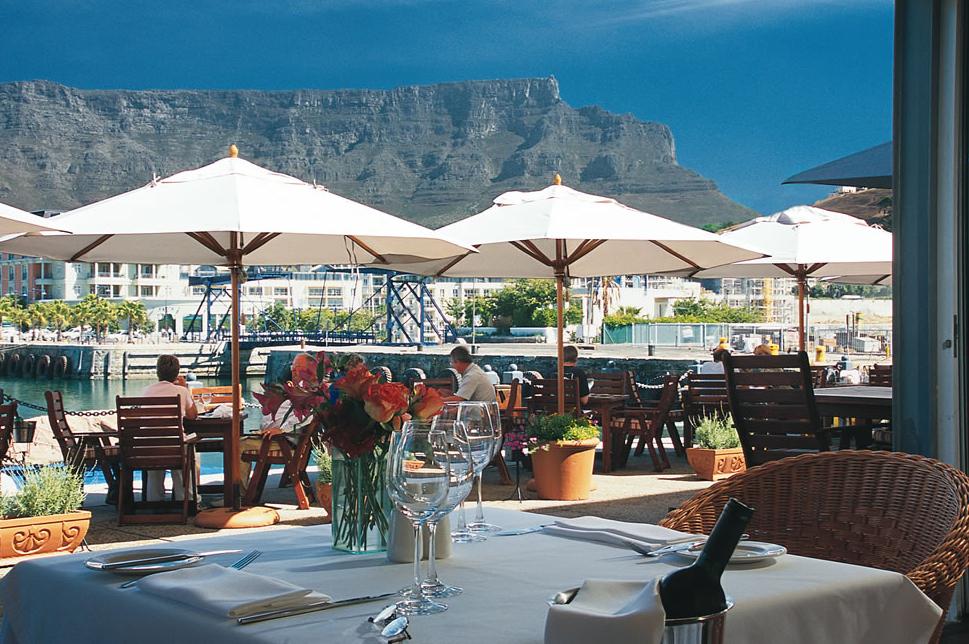
Read MoreWe are able to offer a number of ‘specials’ in the Cape Town area, one of them being a Stay 4 Pay 3 at the 5* 12 Apostles.
-
![]()
Plettenberg Bay 5* Special
Read MoreIn the heart of the Garden Route is the 5* Plettenberg Hotel that sits prominently on the clifftop.


-
![]()
Royal Chundu 4 night Special (Zambia)
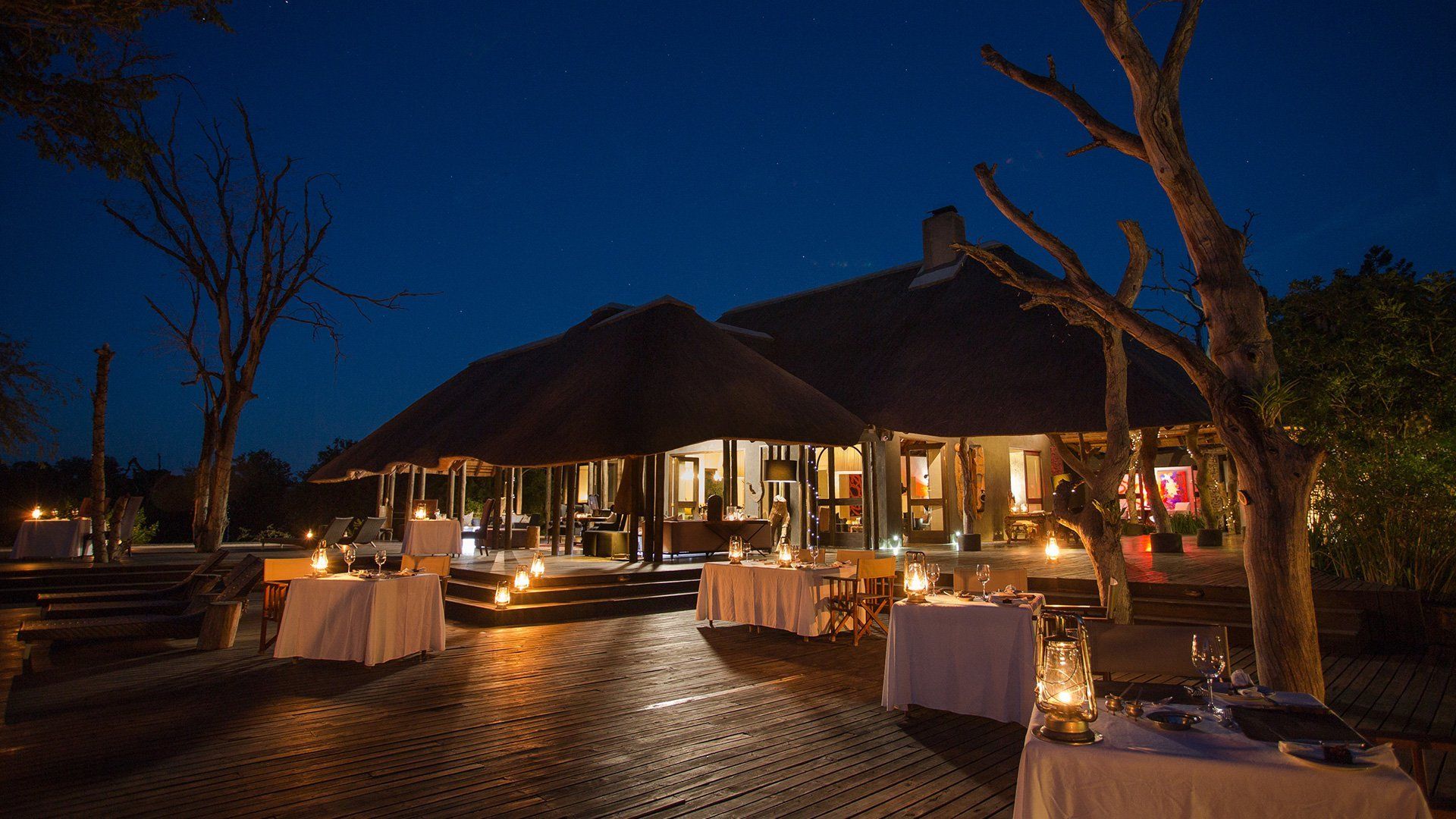
Read MoreThe award-winning Royal Chundu, camouflaged along the banks of the Zambezi River and hugging the border of Zambia and Zimbabwe, is a hideaway of untold tranquillity where romance and adventure are intertwined.
-
![]()
The Last Word Collection
Read MoreWith 3 great 5* boutique hotels to choose from, we can offer you 3 nights for the price of 2. The properties are located in Franschhoek, Constantia and Kommertjie (en route to the Cape Point).
-
![]()
The Oyster Box – Umhlanga Rocks 5*
Read MoreStanding majestically on Umhlanga’s beachfront just 15 minutes from the airport, overlooking the Indian Ocean and the iconic lighthouse, this is one of South Africa’s most cherished hotels and a national treasure.
-
![]()
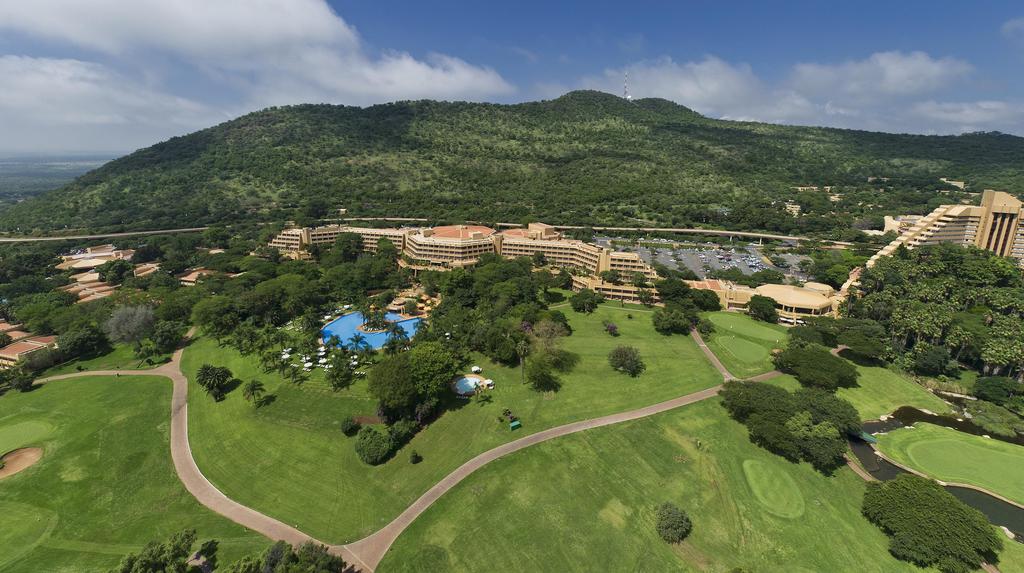
Sun City Golfing Special
Read MoreSun City is renowned for its two championship courses, the Gary Player and the Lost City. We are now able to offer 2, 3, & 5 nights golfing special which include accommodation, all your golf on both courses.



We had the most fantastic trip. The train was an experience, the staff were superb and the food and wines just fantastic. The golf courses were diverse and I thought well selected, We had much luck on the safaris. Would definitely recommend,..Thank you for your expert organisation, all the transfers and bookings worked a treat! Much appreciated to have such expert guidance through a holiday of a lifetime.
Julia Phillimore - March 2024

Everything worked out really well - thank you. The safari was the highlight and we saw many different animals. The lodge was excellent and the staff looked after us very well. The train was good too, Overall,..had a great time,..and all the pick-ups went very smoothly. Thanks again
The Edmiston family - March 2024
-
We had a great trip again in SA. Hotels were great and we all had a wonderful time. Thanks again for all your help.
Stuart Gray & family - February 2024
-
Kirsty, we wanted to thank you for the work and extra work in organising our holiday. From Shamwari - where can I start. It was the most amazing place and the people we met were even more amazing. We saw the big 5 and then some. Jaunty our guide was exceptional...so Plettenberg was also lovely, very different obviously from Shamwari. Lovely all the same. The drive through the Garden Route to Hermanus was amazing. My shark diving experience was just about perfect,..Franschhoek accommodation was beautiful and again everyone was so friendly...Cape Town is an amazing city, the Table Bay again is beautiful...we would just like to thank you again for organising our holiday of a lifetime - I have a feeling we will be back.
Stewart & Teresa Spark - February 2024
-
I just wanted to thank you SO much for organising our trip to South Africa, difficult to think this time last week we were still there! We had the most wonderful holiday and everything was seamless. All of the accommodation was just perfect and the Game Reserve was spectacular. We met so many lovely people during the week and have memories to treasure. We are already talking about returning next year, perhaps to do the Garden Route. I shall be in touch as was so impressed by your knowledge and recommendations!
Lizzie & Martin - January 2024
-
We are back now from our trip and we wanted to thank you for organising it, for listening carefully to us and our rambling thoughts and for then turning those into a wonderful trip itinerary through that part of SA. We were delighted with every aspect of it, we loved the variety and different types of accommodation and locations and despite mixed weather (something no one can control) we managed to get the best from each location.
Mr & Mrs Harte - January 2024
-
Thanks for doing such an incredible job with organizing this trip. We all had a fantastic time and everything went smoothly. I would highly recommend you to more of my friends. Thanks again for all your work.
The Kopman family - January 2024
-
Just arrived back to a freezing UK. Just wanted to write to thank you for organising a wonderful holiday. Everything was excellent and all ran very smoothly. The safari was amazing and will be hard to beat. All three hotels were also of a very high standard. Just a shame it was only 12 nights. A holiday to remember for our 25th wedding anniversary. Will definitely be returning sooner rather than later and hopefully with our daughters. Will be in touch when we are ready for our next adventure.
Aaron & Jo Reader - November 2023
-
Just a quick email to thank you for organising such a great trip for us. Everything was fantastic. The hotel was in the perfect location. The golf courses were absolutely brilliant, I can see why South Africa produces such great players! The car was perfect for the trip. The restaurants and food were 5* and very good value. Some of the best food we have ever had in fact. All I can say is we are hooked and can’t wait to return. We will be spreading the word about the fantastic services you offer as a company to all of our friends and golfing colleagues. I will be back in touch Ian about our next trip. In the meantime many, many thanks for such a memorable trip.
Johnny Hall Golf party of 4 - November 2023
-
I have now returned home after spending a wonderful fortnight with the family in South Africa. All your arrangements were spot-on and we didn’t encounter any problems .The people we met at Tshukudu and on our transfers were delightful and couldn’t have been more helpful...The girls 16 and 13 were absolutely ‘hooked’ and always asking for information. We will all have the most amazing memories of a trip of a lifetime. Many thanks & Best wishes,
Jane Twiss - October 2023
-
Everything has worked out really well. We loved the hotel in Franschoek. It could not have been more perfect for Irene and myself. Exactly our kind of place. We did a full day of the hop on hop off tram wineries tour which we really enjoyed. Today Brian drove us to Hermanus with an extra bonus of stopping off at the beautiful Glass Museum. Our hotel in Hermanus is lovely and just as you described. I wanted to thank you for your meticulous planning so that everything has worked seamlessly. Thank you for providing us with a Brian. He is an excellent [tour guide]/driver and is so sincere, helpful and informative with extensive knowledge and experience of all things South Africa. We feel like we have made another friend. Thanks again.
Ruth Swartzman - October 2023
-
I'm back home now (Steve came back 10 days ago) and just wanted to thank you for booking a wonderful trip, and especially for your help while we were travelling. I am passing your name to a couple of colleagues who mentioned an interest in travelling to South Africa with high recommendations.
Best, Anji Redish - October 2023
-
I just wanted to drop you a quick line and thank you very much for organising our South African trip. We absolutely loved it and can't wait to go back again. There wasn't one aspect of it that we would have changed. Once again, many thanks indeed.
Sue & Mark Lewis - September 2023
-
Home now from our trip to SA. Just wanted to say thank you for arranging such a fabulous holiday. The Commodore hotel was first class with respect facilities, dining and location. The Kariega game reserve was a highlight, the staff, the rangers and just everything was superb. For the first two days we even had the whole lodge to ourselves, we felt really spoilt! Once again thank you for all the arrangements.
Jeff & Pam Scrivens - September 2023
-
Just a quick email to thank you for your continued support during our trip. Everything was great, Shamwari [was] first class, Waterfront great locationand great outlook....All the best.
Martin Cuthell - September 2023
Button -
We just wanted to say thanks for arranging our safari trip, it was the most amazing experience, the resort was fantastic, the staff amazing and the animals we saw spectacular. It was more than we could have hoped for and the experience will stay with us forever.. Many thanks for your help
Bev & Jean Thompson - August 2023
Button -
Wanted to give you some feedback. Kariega Game Reserve was so beautiful and such a good choice, thank you! We’d never been to that area before and our ranger Dave was so knowledgeable and we had amazing animal sightings. We even went on a boat trip to Kenton on Sea on one of the days. The food was super, the weather was great and I am sure we will be heading back there again in the future. Thank you again!
Hanli & Jacques Fourie - August 2023
Button -
First, regarding the preparation I found you very pleasant to work with and very helpful. Tickets etc were perfectly organized...Cape Town ,the apartment was superb...Brian (Tour guide) was super nice and the wine tour was well prepared...Rovos Rail provided the exquisite experience as anticipated, service levels above expectations...Vuyani lodge was a superb choice! All in all we had a magnificent trip with the whole family, a journey we won’t forget so thanks for that.
The Momont family - May 2023
Button -
We had an absolutely fantastic time! So many things were terrific: Cape Grace hotel and particularly the staff and amenities, the three tours we took with Brian, Chitwa Chitwa in almost every regard (the game drives, the food, hotel, staff, and service)...Thank you again! We loved our trip and are so happy we went!
Sally & Larry Kleinman - May 2023
Button -
Thanks again for the car, hotel and golf arrangements. All went very well we had a great trip. Best Regards
John Pratt - April 2023
Button -
I wanted to thank you for all the travel arrangements you made for us on our recent trip to South Africa and Zambia. We are back home now in the US and had the most fabulous trip. Everything went so well with no issues at all. All the accommodation was great, we loved Gondwana...the Royal Livingstone in Zambia was amazing with all the animals roaming around the grounds. Fantastic experience. We also really enjoyed The Views in Wilderness and the Maison Chablis in the winelands. Once again thank you for all your efforts
Kimberley Frampton - March 2023
Button -
We got back home a week ago ( to a snowstorm! ) from our 3 week trip in SA..We just want to say a big thank you for organising it for us - we had a wonderful time,..everything went smoothly including the 1500 or so km in the car hire,..we have heard nothing but good things (about Travel Exclusively African) from people we met out there and I'm sure we'll be in touch again the next time we think of going to SA. All the best,
Bill & Anna Cullinan - March 2023
Button -
We just wanted to thank you for planning our holiday to South Africa. We all had a fantastic time. The accommodation you picked out was perfect and we enjoyed all the places you included for us. The accommodation in Cape Town was really something and we would have loved another night in Swellendam as the hotel and the food was so good. The safari surpassed all expectations. We saw all the animals close and took some amazing photos. Many thanks again
John Wright & family - February 2023
Button -
Just a quick but big thank you for organising our recent trip. We had a wonderful time and all the arrangements were seamless with everyone very friendly and helpful. You even managed to ensure we had good weather! I'm sure we will be planning another trip so will no doubt be in touch at some point.. Thanks again and best wishes
The Trimby's - February 2023
Button -
Slide title
Write your caption hereButton -
Just waiting for our Johannesburg flight out of Mauritius. Thought I'd give you a quick update. We really enjoyed our stay in Mauritius!! The room was perfect..great size, location, nice bathroom and big, comfy bed. Sea facing is always essential. We liked the fact that it was served dining although they could do with varying the menu. The staff were all really sweet and helpful. Overall, a really excellent choice! Thank you!
Gill & Patrick Miller - February 2023
Button -
Sun City was extremely pleasant...and one I would do again,
Craig Lemon - February 2023
Button -
I just wanted to thank you for the perfect arrangements for our recent trip. Every time we got off a plane, there was someone there with a card with our names on. Also, the accommodation in all locations was perfect...all the arrangements you made were perfect, which made all the travelling completely stress free.
The Head/Higgs party - February 2023
Button -
We can’t thank you enough for organising our wonderful trip to South Africa. It’s been amazing. Everything went according to plan and your choice of accommodation was excellent. We particularly enjoyed staying at the The Portswood where everything was just perfect, including the location, the comfortable room, a great choice of breakfast and dinner menus, but most of all the wonderful staff who simply just couldn’t do enough to make our stay the best it could possibly be. We have praised your service everywhere we have been and wouldn’t hesitate to continue to recommend your company. An excellent 5 star service.
Linda & Steve Brook - January 2023
Button -
Happy New Year! I just wanted to drop you a note to say we're having a great time and everything has been seamless. The Hotels have all been excellent [Misty Waves, Milkwood Manor & Maison Chablis]. Thank you again.
Stuart Gray - January 2023
Button -
Hope you're having a great start to the year (2023). We couldn't have asked for a better trip. We wouldn't have changed anything really. I'm not sure how constructive that is Ha! Ha! but it's the truth!
Emmanuel Abijo - December 2022
Button -
We just wanted to say thank you for organising our recent trip to Southern Africa. Your choice of hotels was perfect. We particularly enjoyed staying on the Zambia side of Victoria Falls and were able to cross the border to view them from Zimbabwe without difficulty. All the transfers were well timed and went exactly according to plan which resulted in a stress free and most enjoyable trip.
Tim & Anne Underwood - December 2022
Button -
I wanted to thank you for organising our holiday, we had a great time and Tina was pleasantly surprised by you arranging cake at Kariega. Thanks again,
Alan Rutherford & Tina O'Boyle - November 2022
Button -
We arrived back home on Monday ... (golf) trip went extremely well everything ran very smoothly and Brian our driver is excellent and we enjoyed his stories …. many thanks for your help in organising things and we will I am sure book a similar trip in the future. Thanks once again for a great job
Daragh Curran - November 2022
Button -
Many thanks for everything you did in making our trip such a wonderful experience for us both...Chitwa Chitwa was very good, we had Suite 1 many thanks for arranging...Petit Ermitage - James is a legend and deserves ever success in his venture... Breakfast was amazing (with) portion sizes far too big,..fridge of delights and beverages very good. Secure parking was a great asset...Oyster Box - It was so nice to have 4 nights there this time what a wonderful hotel this is. We discovered a lot more of facilities than we did in 2019 for just 1 night. We had High Tea with some guests a which we celebrated 3 birthday’s and they really pushed the boat out for us. Nicole the guests service manager is a real credit to the hotel, We are already talking about our next trip.
Philip & Lynne Highy - October 2022
Button -
I’m sending this to you as we wait at Arusha airport having left Zanzibar this morning. The resort at Melia was absolutely terrific and I highly recommend ‘the level’ rather than the ordinary standard of accommodation at the resort...Our romantic villa had an unrestricted view straight out over the sea towards the horizon, giving incredible sunrise views. Just beautiful.
Mark & Zoe Pettman - October 2022
Button -
Sorry it has taken me so long to thank you for being so efficient and helpful in organising my celebration trip. It could not have been easy having to deal with 3 people. Everything went without a hitch from start to finish and the week was one never to be forgotten. We all had a wonderful time – from my 18 month old granddaughter to Bill of 77 years! We were also very lucky with the weather.
Cherry McKenzie & family - October 2022
Button -
I've been meaning to reach out and say, thank you. The trip was great (to Chitwa Chitwa). Thank you for all the hand holding over these last three + years (due to Covid). It all went so smoothly and was better than expected. I hope we can make it back to South Africa and am looking forward to using your services in the not too distant future.
Mike Lorden - October 2022
Button -
I should have emailed you earlier to say thank you very much for organising our holiday.. We had a fantastic time. Obviously, the Safari in Kariega was the highlight and we managed to see all the Big five many times, & our guide Trus was fantastic. Many thanks again
Linda & Alastair Kidd - September 2022
Button -
The holiday was wonderful. The hotel choices were great. We were very appreciative and lucky to get the upgrade to Settlers Drift (Kariega)
Mr & Mrs Liddell - September 2022
Button -
Just to say we had a terrific time in SA. Your arrangements were spot on and we enjoyed Cape Town, Franschhoek and Hermanus very much. Once again, many many thanks for all the trouble you took with the numerous rearrangements, Blue Train not running etc Best regards
Brian & Lucy Jackson - August 2022.
Button -
Arrived home this morning...can't thank you enough for the fantastic holiday you arranged for us. The whole family have had a memorable holiday. The accommodation was superb (V&A Waterfront, Lavender Manor, Moles Hole & Kariega Game Reserve), we can't pick a favourite, but we all agree we enjoyed the safari was the best. Once again, many thanks.
The Marshall family - August 2022
Button -
That's a nice surprise (free upgrade to a 5* lodge), thoroughly enjoying it so far (and) we really loved the elephant experience.
Adrian & Cherral - May 2022
Button -
Just thought I would let you know how amazing and happy our experience of the trip you organised for us was. Everything went to plan...We were very happy with all the lodges...Thank you so much. I’m now looking at doing a trip next year...Thank you once again
Lorna Ponti - May 2022
Button -
I just wanted to say thanks to you (Beverly) and Ian we had the most wonderful honeymoon of them all. It couldn't have been better, I couldn't have fallen in love with SA anymore than I did. I cried so much when we left Chitwa Chitwa Safari Lodge! Our guide and tracker Dylan and Ransom were just incredible, made our whole experience there, honestly I have no words, other than when can I return!! I don't think I could enjoy Zimbabwe as much simply because I was in post Chitwa depression haha! I'm so glad you recommended it, it was the perfect balance of luxury without pretentiousness for us. We couldn't have done any of this without you!
Kiran Sekhon - April 2022
Button -
Great trip to the [Garden Route] Game Reserve - fabulous for kids, can't really fault it, so child friendly.
Linda & Adrian - March 2022
Button -
Your choice of locations for Cecilia and my vacation has been top shelf! We both are really enjoying this vacation! The people, guides, hosts, attendants, and representatives all have been outstanding! Thank you for this experience! Now I have to turn my attention to some fine wine that is begging to be consumed!
Kevin & Cecilia - March 2022
Button -
Many thanks for sorting out the safari. It was a magical experience and the service at Chitwa was top class
Mary Kerr - February 2022
Button -
We had a wonderful time and definitely hope to go back...Commodore Hotel - perfectly good...Santos Express - how quirky was that!...so glad we tried it. Emily Moon - absolutely charming accommodation. Beach Hotel - we weren't expecting much but this hotel was lovely. Kariega Game Reserve - brilliant - would not have wanted to go anywhere else - perfect. Thank you so much for coming up with such a wonderful itinerary for us. We hope to come back next year. Thanks again - best wishes.
Barry & Sue Sims - March 2020
-
Another excellent holiday enjoyed by Lynn and myself. Chitwa Chitwa —great start to the holiday. Cape Town V&A apartments very good. 6 days in C T and the car hire worked well. Montagu stay was very enjoyable. De Zeekoe farm stay and meerkats was great...Plettenberg Bay very good. Maybe 2 less nights here would have been better. 2 nights at Wilderness maybe?? All flights worked well both internal and long haul. Great weather. Not too hot. All in all a great holiday.
Ian & Lynn Hague - March 2020
-
All in all a great holiday. Thank you for organising our trip so brilliantly. Shamwari was brilliant...thoroughly recommend food was fabulous...as for Cape Town, Cape Grace was as always, fabulous, the suite was perfect for us...We had a great holiday, Thank you so much for your help, it is nice to be able to recommend someone we can trust. Will be back in touch for our next trip either late this year or early 2021. Very many thanks and kind regards
Maureen & Rob Bohannon - February 2020
-
I just wanted to let you know we had the most wonderful trip! All accommodation and hosts were beyond fantastic and I couldn't recommend them highly enough. My family were thoughtfully looked after throughout the trip and we made precious memories to last a lifetime. Everything you recommended and booked was spot on and I'd recommend you to anyone looking to explore SA in the future!
The Hirani family - February 2020
-
I just wanted to send you a massive thank you again for organising such an incredible trip for us. We absolutely loved every single place and couldn’t fault any of the accommodation or locations. It totally surpassed all expectation and was honestly the best holiday we have ever had, a totally magical experience. So thank you again for all your effort arranging it for us, it was so perfectly planned I am so grateful for being introduced to you.
Mike & Natasha Milton - January 2020
-
Just a word of thanks for the wonderful accommodation afforded to us by your company...we will have no hesitation in recommending or using you again...the whole holiday was put together marvellously and my wife was completely satisfied and overjoyed with the whole vacation.
Ian Parr - January 2020
-
We are back into our usual routine and thinking about the amazing experiences we had in Cape Town. It really is an amazing place and thanks to your efforts we felt safe and saw everything we wanted to. Brian was very accommodating and informative & made many parts of the holiday for us. Mark says he’s already planning on returning!!
Mike Smith and family - January 2020
-
Thanks for a great trip, we really enjoyed it! Thanks
Daniella & Sean - January 2020
-
I just wanted to thank you very much for such an amazing Honeymoon we have just had! Your recommendations were perfect and we loved every minute! Everything you took care of and everything went so smoothly making it even more enjoyable!
Laura & Josh Thornley - December 2019
-
We arrived home yesterday morning. We had a fantastic time, lovely accommodations, would have been nice to have had more time in Maison Chablis. Every thing went like clockwork. Your guide in Cape Town marvellous. Two great days and loads of information. All in all a fantastic trip.
Alan & Penny Boswell - December 2019
-
Meet & Greet in Johannesburg was excellent...Fairlawns Hotel - a very nice hotel, staff very friendly...Chitwa Chitwa - what can I say, another excellent time there...The Oyster Box (Durban) - Lynne was blown over by this hotel and we'll go back there if we can in the future...thanks for everything you and your team did for our trip...Yours ever.
Philip & Lynne Highy - November 2019
-
Unfortunately off home tomorrow, many, many thanks for your usual excellent choice of accommodation, we have had a wonderful time. Hope you have an enjoyable weekend and congratulations on your rugby result (winning the World Cup). Best wishes
Paul & Margaret Allinson - November 2019
-
The Africa trip was over the top great! We were in heaven the whole time. Being greeted and escorted at each stop was wonderful and went flawlessly. Each and every place we stayed was special and exceeded our expectations! The animals in their natural habitat was on the top of our list of exceptional experiences. We were caught of guard as to how 'cool' Cape Town is and did not have enough time there. We are already trying to plan another trip to Africa. I have some more folks to refer to you! Thanks for the trip of a life time.
Barbara Strewler & William Goodwin - October 2019
-
We loved our trip to South Africa! Thank you so much for making all the arrangements which worked really well. We felt safe in the knowledge that the transfers would be there for us and that all the accommodation would be wonderful, and it was! We are delighted. All of your recommendations were just right for what we wanted to see and do. We really appreciate all the work you put in to organising our trip of a lifetime. Many, many, thanks and best wishes
Kate Mason & Ed Holland - October 2019
-
We had a fantastic holiday and everything was really superb, even the weather...Thank you for this perfect organisation (and on short notice). The country is really beautiful...At no point did we feel insecure and all people were really friendly. The sequence of keeping the best for last was also great. Seeing the animals in the wild is such an amazing experience and we were very lucky with our ranger James who made such an effort to give us the time of our life! So, all in all, just a fantastic trip, thanks again.
Tom Bouten - October 2019
-
We really enjoyed the SA trip and the itinerary that you put together. All the hotels were great. Shamwari was an amazing experience. I an sure we will be back to SA. Regards.
Sudheer Gupta - October 2019
-
Overall, the trip exceeded our expectations. Let me be more specific so you can have one man's opinion to help fellow travellers in the future. Reed Ceremony was even more spectacular than we imagined. Mseni, our Swazi Trails guide, was a treasure. Summerfield's is an extraordinary and luxurious place...the overall splendour of the place. Arathusa was incredible -- beautifully appointed, pampered attention and leopards on every drive. That's it!
Gary & Joyce Korn - September 2019
-
Alanna and I had a fantastic trip! Considering all the travelling I have done, it was one of the best trips!! I think because it was so different. All of the accommodations were great, even at the camps (in Botswana). The food was also very good! Alanna is a vegetarian and they were so kind to cater to her needs. The people everywhere were sooooo friendly!! The rest of the world could take a lesson from them. Thanks for everything.
Susan Silveria - September 2019
-
It was so good (Lalibela - Lentaba Lodge), I was crying leaving...thank you so much...will definitely be back
Fiona O'Brien - August 2019
-
Sadly we are on our way home...our trip exceeded our expectations on every level. Very best wishes.
Ron Montalto - July 2019
-
We are now on our way back (home) after four nights at Royal Madikwe. I want to write letting you know what a wonderful time we enjoyed...the accommodation was perfect, especially our suite just 20 meters from the water hole...as you know we have been on safari at far more costly lodges in the Kruger/Sabi sands but we have fond memories of the warm and friendly attitude of all the staff at Royal Madikwe...I would highly recommend this destination to all prospective visitors and thank you for recommending it to us.
Stephen Williams - July 2019
-
It [the trip] was amazing. Thanks for all you did. Best regards
Rebecca Weisberg - June 2019
-
The trip was amazing! David and I had the best experience ever!! Thanks so much for all you have done.
Susan & David Kaufman - June 2019
-
Just wanted to let you know that we are having a spectacular trip. We are on our way to the airport to go to Nelspruit and we are excited for the safari but sad to say goodbye to Brian. He is fantastic and an amazing and accommodating guide. Delaire Graff was indescribable—fabulous!! And everyone loved The Table Bay Hotel. Thank you for putting together an extraordinary Cape Town experience.
The Carole Bernstein Party - June 2019
-
Want to say a big thank you for arranging such a superb holiday for us, loved every minute. Everywhere we went and stayed people were so friendly and SA is so clean. Great food everywhere we went. It was lovely to be met by your driver, Brian who was to nice and quite chatty, which was great...well, would definitely go again to SA as still quite a few places to visit, so maybe will be in touch with you again sometime in the future. Thank you again for helping us make such wonderful memories.
Jackie Da-San Martino - April 2019
-
We had an absolutely fabulous holiday in South Africa - flights were OK and connections between destinations was excellent - thank you for your hard work on our behalf...the Blue Train was wonderful - a fabulous experience and the staff could not have been more helpful...we had a wonderful experience and thank you again for your assistance in planning our holiday.
Melanie Hicks - April 2019
-
Having just come back from an amazing trip - in fact the trip of a lifetime - we just wanted to say a huge thank you to Bev, Ian and all of the team @ Travel Exclusively African. There were 6 of us on this trip (3 x couples) and all the accommodation was top notch, from our sumptuous apartment in Cape Town, our wonderful apartments in the centre of Franschhoek, the sublime Emily Moon Lodge in Plettenberg Bay, the lodges at Kariega and the final impressive night at The Vineyard back in Cape Town. And the excursions that were recommended - from trips to Robben Island, a visit to a Township, to the amazing Wine Tram - made for a fantastic holiday to remember forever. Also a big thank you to Brian for collecting and escorting us around for part of our stay. We really do hope to revisit South Africa again soon.
Guy Cliffe & party - March 2019
-
Just wanted to say a huge thank you to you for planning us such a fantastic honeymoon. We had the most amazing trip and totally fell in love with South Africa! ...Thanks for the recommendations for places to go and where to eat. Le Petit Ferme was definitely a highlight - we managed to book a table with a fantastic view and the food and service was top notch. We also had a wonderful lunch at Moreson, the food and wines were fab...Kariega was a perfect ending to our trip...so many of our friends are thinking of South Africa as a holiday destination now and I’ve been spreading the good word about Travel Exclusively African!
Louise & Adam Chiverton - March 2019
-
Just to let you know that we arrived safely from London via Jo’burg yesterday. Tongabezi has been a brilliant choice with the water setting on the Zambezi. The staff have been magnificent and they cannot do enough to help us. We were upgraded from a simple cottage to a house (the Nuthouse) with our own plunge pool and a stunning view over the river. So we have you to thank for that. Thanks so much. It makes a real difference. I would recommend this so highly. The tranquillity is beautiful and the location is stunning.
Mark & Zoe Pettman - March 2019
-
Wow wow wow can't thank enough for the amazing trip you organised for us. Everything kept getting better and better. The Tree Tops safari was amazing, not only seeing the animals in the wild but the whole package the staff made us feel very special. The Oyster Box Hotel was the icing on the cake. We all can't thank you enough for a fantastic 3 weeks. We all loved South Africa and hoping to go back again. Thanks once again
The Hurley Party - February 2019
-
Ed and I are sadly home from our wonderful honeymoon. We just wanted to say the biggest thank you for arranging such a wonderful itinerary. The hotels were lovely (you were absolutely right about the INCREDIBLE Emily Moon) and we had the most wonderful time on safari in Lalibela. Please do let me know if there is somewhere you'd like us to right a review. Thank you again.
Ed and Julia Parkhouse - February 2019
-
Thanks for organising our stays in Madikwe! Had good fun and made good friends too. The Bush House - as you said, a great waterhole. Good accommodation & food...Jaci's - what a camp! Brilliant concept, wonderful welcome and great tree house. We have recommended Jaci's to anyone who listens! Thanks - all the arrangements were perfect.
Mike & Louise Eddowes - January 2019
-
Having returned from our trip, we'd like to say a big thank you for the arrangements you put in place for us. We had the most enjoyable trip enhanced by our upgrade to a Royal Suite on the train... everything went as planned : flights, pick ups, hotels...so thank you once again for your involvement and support from the outset. If we ever return to South Africa we will certainly start with you!
Roger & Carole Jones - November 2018
-
What can I say other than thank you all for all your help organising what was truly a trip of a lifetime. The safari/accommodation were a perfect and suited our needs so well. I would have no hesitation in recommending you to anyone looking to go to South Africa. If you have a TripAdvisor page, I will happily write a 5* review
Ian & Mandy Meth - November 2018
-
Thank you for a wonderful holiday. The accommodation you picked was first class, our favourite being Maison Chablis - nothing was too much trouble...the wine tour was really nice and the icing on the cake was the 3 night safari at Kariega River Lodge - a truly lifetime experience.
Derek & Lorraine Cartwright - November 2018
-
Just a note to say that we all had an amazing time in South Africa. There are so many highlights but Motswari was a particular hit. The V&A Waterfront was stunning! It was ideal for the kids to go out and about on their own. Thanks for all your efforts organising our trip - I know we provided a few challenges along the way!
The Greatbanks & Kearns families - November 2018
-
We are home after a most fantastic experience. Everything worked like clockwork...Game drives were amazing...best wishes and thank you for organising the trip of a lifetime.
Anna Whitehead- October 2018
-
Thanks for organising such a wonderful holiday, all accommodation and towns we stayed were excellent. As we got talking to other holiday makers we realised how good our trip was. We will recommend you to all our friends and family.
Gary & Cathy Siddall - September 2018
-
I just wanted to say thank you. The holiday was lovely. I thought Royal Madikwe was simply divine. All went smoothly and we had a ball. I can't quite believe we left going on safari until I was 50! All the best.
Simon Whitfield - August 2018
-
Yes, we are safely home and don't like it...Can we come back? Very many thanks once again and will keep in touch.
Jean Faulkner - May 2018
-
Just wanted to say a massive thank you for arranging our holiday. We had a fantastic time and the hotels you picked for us were superb, we had even been upgraded to the honeymoon suite at Schoone Oordt when we arrived. Everyone at the hotels were so friendly and all gave us the personal touch, that is sometimes so often missing. Thanks again.
Hayley Moulton - April 2018
-
Just a quick email to say a very big thank you for such a well organised, efficient and enjoyable holiday. Everything was first class and well worth the money we paid!...We will of course be recommending your company to all our friends and colleagues. Thank you once again.
Barbara Davidson - March 2018
-
Just wanted to say thank you for booking Lobengula in Shamwari. It was absolutely perfect for us and we had a wonderful time. Best Regards.
The Zoldan Family - February 2018
-
Just a short note to thank you again for the fantastic itinerary...It all went so smoothly and we had a lovely time. The highlight was Kariega; the accommodation, food and the game viewing were outstanding. Emily Moon & Schoone Oordt were also outstanding and we loved our time at the Waterfront.
Allan Jones - February 2018
-
Thank you for recommending and arranging Kwandwe (private game reserve). We absolutely loved it - great ranger/tracker, accommodation brilliant, delicious food and super nice staff.
Steve White-Cooper - February 2018
-
Ed and I are sadly home from our wonderful honeymoon. We just wanted to say the biggest thank you for arranging such a wonderful itinerary. The hotels were lovely (you were absolutely right about the INCREDIBLE Emily Moon) and we had the most wonderful time on safari in Lalibela. Please do let me know if there is somewhere you'd like us to right a review. Thank you again.
Ed and Julia Parkhouse

“I just wanted to say thank you. The holiday was lovely. I thought Royal Madikwe was simply divine. All went smoothly and we had a ball. I can't quite believe we left going on safari until I was 50! All the best.”
Simon Whitfield
-
“Just wanted to say a massive thank you for arranging our holiday. We had a fantastic time and the hotels you picked for us were superb, we had even been upgraded to the honeymoon suite at Schoone Oordt when we arrived. Everyoneat the hotels were so freindly and all gave us the personal touch, that is sometimes so often missing. Thanks again. ”
Hayley Moulton
-
“Just a quick email to say a very big thank you for such a well organized, efficinet and enjoyable holiday. Everything was first class and well worth the money we paid!...We will of course be recommending your company to all our friends and colleagues. Thank you once again.”
Barbara Davidson
-
Thank you for a wonderful holiday. The accommodation you picked was first class, our favourite being Maison Chablis - nothing was too much trouble...the wine tour was really nice and the icing on the cake was the 3 night safari at Kariega River Lodge - a truly lifetime experience.
Derek & Lorraine Cartwright
-
Just a note to say that we all had an amazing time in South Africa. There are so many highlights but Motswari was a particular hit. The V&A Waterfront was stunning! It was ideal for the kids to go out and about on their own. Thanks for all your efforts organising our trip - I know we provided a few challenges along the way!
The Greatbanks & Kearns Families
-
We are home after a most fantastic experience. Everything worked like clockwork...Game drives were amazing...best wishes and thank you for organising the trip of a lifetime.
Anna Whitehead
-
Thanks for organising such a wonderful holiday, all accommodation and towns we stayed were excellent. As we got talking to other holiday makers we realised how good our trip was. We will recommend you to all our friends and family.
Gary & Cathy Siddall
-
We just wanted to email you and thank you for organising such a wonderful holiday...the accommodation was superb...Kariega Settlers Drift was out of this world...we will certainly recommend you to anyone wishing to travel to South Africa.
The Wells/Campbell Family
-
Just wanted to say thank you for booking Lobengula in Shamwari. It was absolutely perfect fir us and we had a wonderful time. Best Regards.
The Zoldan Family
-
Just a short note to thank you again for the fantastic itinerary...It all went so smoothlyand we had a lovely time. The highlight was Kariega; the accommodation, food and the game viewing were outstanding. Emily Moon & Schoone Oordt were also outstanding and we loved our time at the Waterfront.
Allan Jones
-
Thank you for recommending and arranging Kwande (private game reserve). We absolutely loved it - great ranger/tracker, accommodation brilliant, delicious food and super nice staff.
Steve White-Cooper
-
May I say thank you for organising a fantastic trip for us. It was amazing and good to see how the country has progressed since my last visit. The whole experience was beyond our expectations...again, many thanks to you and your team and we are recommending you to friends who now want to visit this wonderful country! Kind regards
Liz & Andy
Contact Us
Thank you for contacting us.
We will get back to you as soon as possible
Oops, there was an error sending your message.
Please try again later